• course Info
  • Content
  • Ce Approvals

The Sparks That Endure

CE Hours 10.5

About this course

The Sparks That Endure is a 10.5-hour continuing education (CE)/ continuing medical education (CME) course exploring the enduring preoccupations or sparks that persist in people living with serious mental illness, including sex, money, food, music, spirituality, creativity, movement, rituals, nature, humor, touch, storytelling, hope, and freedom. Each module integrates current neuroscience, psychiatric research, and recovery-oriented practice with case vignettes and patient perspectives. Participants will acquire evidence-based strategies to incorporate sparks into treatment planning, improve engagement, and foster person-centered recovery. The course is designed for psychiatrists, psychologists, social workers, nurses, and allied health professionals across inpatient, outpatient, and community settings.

Learning Objectives

  • Identify and describe the 14 sparks that persist in patients with serious mental illness.
  • Analyze the neurobiological, psychological, and cultural underpinnings of enduring human drives in psychiatric illness.
  • Describe recovery-oriented strategies that incorporate sparks into individualized treatment planning.
  • List methods that integrate patient perspectives and lived experience into clinical decision-making.
  • Critically evaluate systemic and social barriers that limit patients’ ability to access sustaining sparks.
  • Implement interventions that leverage sparks to strengthen therapeutic alliance, enhance quality of life, and reduce relapse risk.

Course Instructor(s)

  • Clovis Raymond, MD

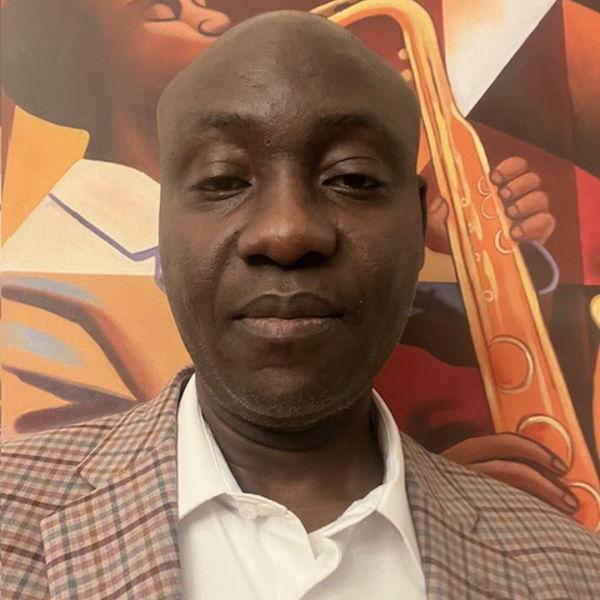
    Clovis Raymond, MD Dr. Clovis Raymond is a Dual Board-Certified Psychiatrist, Educator, and Author with over two decades of experience in clinical psychiatry and medical education. He currently serves as Chief of Psychiatry at Rockland Psychiatric Center in New York and as an Assistant Professor of Psychiatry at Columbia University, where he trains medical students, residents, and fellows in recovery-oriented care. Dr. Raymond is the author of The Sparks That Endure: Why Our Core Human Drives Survive Mental Illness (forthcoming, 2025), a comprehensive exploration of the enduring preoccupations, such as sex, money, food, music, spirituality, and creativity, etc. that persist in individuals living with serious mental illness. He has developed a companion CE/CME-accredited course designed to help clinicians integrate these human sparks into treatment planning, therapeutic engagement, and recovery-oriented practice. In addition to his academic and clinical roles, Dr. Raymond has served as a psychiatrist in the U.S. Army Reserve, contributing to the care of service members and veterans. His professional expertise spans inpatient psychiatry, outpatient treatment, trauma, forensic, child & adolescent, and cultural psychiatry, with a focus on improving access, engagement, and person-centered care for diverse populations.

Disclosure

DISCLOSURE OF RELEVANT FINANCIAL RELATIONSHIPS CE Learning Systems adheres to the ACCME’s Standards for Integrity and Independence in Accredited Continuing Medical Education. Any individuals in a position to control the content of a CE activity ― including faculty, planners, reviewers, or others ― are required to disclose all relevant financial relationships with ineligible entities (formerly known as commercial interests). The following relevant financial relationships have been disclosed by this activity’s planners, faculty, and the reviewer: PLANNERS AND REVIEWER The planners of this activity have reported that they have no relevant financial relationships. FACULTY The faculty of this activity have reported that they have no relevant financial relationships.

References

  • Pratt, D. N., Aberizk, K., Guest, R. M., Williams, T. F., Bilgrami, Z., Karp, E. L., ... & Mittal, V. A. (2024). Schizophrenia Spectrum and Other Psychotic Disorders. Psychopathology, 483-530.
  • Slade, M., Amering, M., Farkas, M., Hamilton, B., O'Hagan, M., Panther, G., ... & Whitley, R. (2014). Uses and abuses of recovery: implementing recovery‐oriented practices in mental health systems. World psychiatry, 13(1), 12-20. https://doi.org/10.1002/wps.20084
  • Penn, D. L. Bochum, Ruhr University Bochum, Germany; author, Textbook of Evolutionary Psychiatry and Psychosomatic Medicine; editor, The Oxford Handbook of Evolutionary Medicine.
  • Crone, C., Fochtmann, L. J., Attia, E., Boland, R., Escobar, J., Fornari, V., ... & Medicus, J. (2023). The American Psychiatric Association practice guideline for the treatment of patients with eating disorders. American Journal of Psychiatry, 180(2), 167-171. https://doi.org/10.1176/appi.ajp.23180001
  • Cohen, N., & Galea, S. (2011). Population Mental Health. Evidence, Policy, and Public Health Practice, 2011.
  • Aggleton, P., Cover, R., Logie, C. H., Newman, C. E., & Parker, R. (Eds.). (2023). Routledge handbook of sexuality, gender, health and rights. Taylor & Francis Group.
  • Mogilski, J. K. (2023). The Oxford handbook of evolutionary psychology and romantic relationships. Oxford University Press.
  • Montejo, A. L., Sánchez-Sánchez, F., De Alarcón, R., Matías, J., Cortés, B., Matos, C., ... & Acosta, J. M. (2024). Switching to vortioxetine in patients with poorly tolerated antidepressant-related sexual dysfunction in clinical practice: a 3-month prospective real-life study. Journal of Clinical Medicine, 13(2), 546. https://doi.org/10.3390/jcm13020546
  • Pratt, D. N., Aberizk, K., Guest, R. M., Williams, T. F., Bilgrami, Z., Karp, E. L., ... & Mittal, V. A. (2024). Schizophrenia Spectrum and Other Psychotic Disorders. Psychopathology, 483-530.
  • Mueser, K. T. (2018). Shirley M. Glynn. A Guide to Assessments That Work, 435.
  • Dean, C. E. (2020). The skeptical Professional’s guide to psychiatry: On the risks and benefits of antipsychotics, antidepressants, psychiatric diagnoses, and Neuromania. Routledge. https://doi.org/10.4324/9781003032038
  • Mechanic, D. (2012). Seizing opportunities under the Affordable Care Act for transforming the mental and behavioral health system. Health Affairs, 31(2), 376-382. https://doi.org/10.1377/hlthaff.2011.0623
  • Teasdale, S. B., Ward, P. B., Samaras, K., Firth, J., Stubbs, B., Tripodi, E., & Burrows, T. L. (2019). Dietary intake of people with severe mental illness: systematic review and meta-analysis. The British Journal of Psychiatry, 214(5), 251-259. doi:10.1192/bjp.2019.20
  • Firth, J., Solmi, M., Wootton, R. E., Vancampfort, D., Schuch, F. B., Hoare, E., ... & Stubbs, B. (2020). A meta‐review of “lifestyle psychiatry”: the role of exercise, smoking, diet and sleep in the prevention and treatment of mental disorders. World psychiatry, 19(3), 360-380. https://doi.org/10.1002/wps.20773
  • Pasqualitto, F., Panin, F., Maidhof, C., Thompson, N., & Fachner, J. (2023). Neuroplastic changes in addiction memory—how music therapy and music-based intervention may reduce craving: a narrative review. Brain Sciences, 13(2), 259. https://doi.org/10.3390/brainsci13020259
  • Rosmarin, D. H., & Koenig, H. G. (Eds.). (2020). Handbook of spirituality, religion, and mental health. Academic Press.
  • Almaraz, D., Saiz, J., Baumann, K., & Moreno Martín, F. (2024). The Role of Spiritual Well-Being in Spanish Cancer Patients: Exploring the Relationship Between Health, Religiosity and Spirituality, and the Underlying Psychosocial and Behavioral Pathways. The International Journal for the Psychology of Religion, 34(3-4), 154-171. https://doi.org/10.1080/10508619.2024.2424612
  • Koivisto, M., & Toivanen, H. (2024). Schizotypy and Creativity: Divergent Thinking, Inhibitory Control, and the Spontaneous Flow of Thought. Creativity Research Journal, 1-21. https://doi.org/10.1080/10400419.2024.2438609
  • Louka, E., & Koumandou, V. L. (2024). The emerging role of human gut bacteria extracellular vesicles in mental disorders and developing new pharmaceuticals. Current Issues in Molecular Biology, 46(5), 4751-4767. https://doi.org/10.3390/cimb46050286
  • Yin, Y., Jiang, T., Wildschut, T., & Sedikides, C. (2025). Nostalgia, ritual engagement, and meaning in life. Personality and Social Psychology Bulletin, 51(10), 1884-1896. https://doi.org/10.1177/01461672241235740
  • Rintell, L. S., Buchholz, K. R., & Gladstone, T. R. (2021). 6.1 Definition/Diagnostic Criteria. Handbook of Evidence-Based Prevention of Behavioral Disorders in Integrated Care: A Stepped Care Approach, 101.
  • McMahon, M., & Abkhezr, P. (2024). Narrative Career Counselling. Narrative Career Counselling: From Theory to Practice in Diverse Cultures and Contexts.
  • da Motta, C. D. A. (2020). Uncovering the endophenotypic factors on the impact of functional outcomes in schizophrenia: studies on different genetic risk samples from the Portuguese Population (Doctoral dissertation, Universidade de Coimbra (Portugal)).


CE Process Info

Content

  • Module 1
    1 parts
    • Introduction to Sparks in Psychiatric Recovery
  • Module 2
    1 parts
    • Sex and Intimacy – Preserving Connection and Consent
  • Module 3
    1 parts
    • Money and Security – Financial Identity, Power, and Access
  • Module 4
    1 parts
    • Food and Nourishment – Symbolic and Biological Drives
  • Module 5
    1 parts
    • Music and Resonance – Rhythm, Memory, and Belonging
  • Module 6
    1 parts
    • Spirituality and Meaning – Faith, Purpose, and Healing
  • Module 7
    1 parts
    • Creativity and Expression – Imagination and Identity
  • Module 8
    1 parts
    • Movement and Embodiment – Somatic Recovery and Agency
  • Module 9
    1 parts
    • Rituals and Structure – Repetition, Rhythm, and Reorientation
  • Module 10
    1 parts
    • Nature and Grounding – Environment, Regulation, and Awe
  • Module 11
    1 parts
    • Humor and Playfulness – Resilience and Relationship
  • Module 12
    1 parts
    • Touch and Sensation – Regulation, Safety, and Human Contact
  • Module 13
    1 parts
    • Storytelling and Meaning-Making – Narrative, Voice, and Validation
  • Module 14
    1 parts
    • Hope and Possibility – Future Orientation and Recovery Vision
  • Module 15
    1 parts
    • Freedom and Autonomy – Choice, Control, and Personhood
  • Module 16
    1 parts
    • Course Conclusion – Integration, Reflection, and Next Steps
  • Joint Accreditation (JA)

    In support of improving patient care, CE Learning Systems is jointly accredited by the Accreditation Council for Continuing Medical Education (ACCME), the Accreditation Council for Pharmacy Education (ACPE), and the American Nurses Credentialing Center (ANCC), to provide continuing education for the healthcare team.

  • Nurses (ANCC) Credit Designation Statement (ANCC)

    Successful completion of this program qualifies for up to 10.5 contact hours for nurses.

  • American Psychological Association (APA)

    Continuing Education (CE) credits for psychologists are provided through the co-sponsorship of the American Psychological Association (APA) Office of Continuing Education in Psychology (CEP). The APA CEP office maintains responsibility for the content of the programs.

  • Association of Social Work Boards (ASWB)

    As a Jointly Accredited Organization, CE Learning Systems is approved to offer social work continuing education by the Association of Social Work Boards (ASWB) Approved Continuing Education (ACE) program. Organizations, not individual courses, are approved under this program. Regulatory boards are the final authority on courses accepted for continuing education credit. Social workers completing this course receive up to [# of credit hours] [topic] continuing education credits.

  • PEERPOINT (PEERPOINT)

    Accreditation and Designation Statements and Disclosure Report The Sparks That Endure: Human Drives and Psychiatric Recovery This activity has been planned and implemented in accordance with the accreditation requirements and policies of the Accreditation Council for Continuing Medical Education (ACCME) through the joint providership of PeerPoint Medical Education Institute and the Sparks That Endure. PeerPoint Medical Education Institute is accredited by the ACCME to provide continuing medical education for physicians. PeerPoint Medical Education Institute designates the enduring format for this educational activity for a maximum of 10.50 AMA PRA Category 1 Credits™. Physicians should only claim credit commensurate with the extent of their participation in the activity. Enduring approval period is: September 1, 2025 – September 1, 2028 Financial Disclosures. The following planners, speakers, reviewers or staff have relevant financial relationships to disclose: All presenters, planners, editors, or staff report no relationships to disclose: “I do not have at present nor have had within the last 24 months, any financial relationships with ineligible companies.”

  • New York State Education Department's State Board for Social Work (NYSEDSW)

    CE Learning Systems SW CPE is recognized by the New York State Education Department's State Board for Social Work as an approved provider of continuing education for licensed social workers #0060.

  • New York Education Department for Licensed Mental Health Counselors (NYSEDLMHC)

    CE Learning Systems, LLC is recognized by the New York State Education Department's State Board for Mental Health Practitioners as an approved provider of continuing education for licensed mental health counselors. #MHC-0072.

  • New York State Education Department's State Board for Psychology (NYSEDPSY)

    CE Learning Systems dba CE-Credit.com & AddictionCounselorCE.com is recognized by the New York State Education Department's State Board for Psychology as an approved provider of continuing education for licensed psychologists #PSY-0016.

  • New York State Education Department's State Board for Marriage and Family Therapy (NYSEDMFT)

    CE Learning Systems dba CE-Credit.com & AddictionCounselorCE.com is recognized by the New York State Education Department's State Board for Marriage and Family Therapy as an approved provider of continuing education for licensed marriage and family therapists #MFT-0045.

The Sparks That Endure
You Have Completed This course
$199
You are enrolled
  • CE Hours
    10.5
  • Type
    Self-Paced
  • Publication Date
    Dec 8th, 2025

Reset password


Reset your password by providing your email below


Next

We sent a reset password link to the email address you provided.


{{reset.email}}


If you do not see the email, try checking your junk or spam folder.


If you don't receive a link in the email you provided, please click the button below to resend the verification email.

Resend

Please wait {{timer}} seconds to resend


Next

Sign in


Enter your email to get started.


Next

Sign in


Good news! Your email is associated with an account. Enter your password or click here to reset it


Login

Thanks for signing up!


We sent an verification email to the address you provided. Please check your email to verify your email address.


{{signup.email}}


If you do not see the email, try checking your junk or spam folder.


If you don't receive a link in the email you provided, please click the button below to resend the verification email.


Resend

Please wait {{timer}} seconds to resend

Sign up


Sign up

Shopping Cart


Items
Price
Remove
  • {{ item.name }} ({{ item.courses.length }} courses)

    {{ item.credit_hours }} Credits
    {{ item.coupons.map((c)=> c.code).join(', ') }}
    ${{ item.totals.price }}
    ${{ item.totals.total_price }}
Apply


Cart is empty

Thank you for your purchase


To access the course content, click the button below. Enrolled courses may be accessed at any time by going to your Account and clicking Courses


Go to Course

Thank you for your purchase

To access your courses, please click the button below. Enrolled courses may be accessed at any time by going to your Account and clicking either Events or Courses


My Account

Payment

{{$store.state.payment.paymentErrorMessage }}
Pay now